
ADHD in children often means combining medication, behavioural supports and school-based strategies. One promising—and increasingly researched—tool is regular physical exercise. But while the image of “let them run around more and it will be fine” is appealing, it’s important to look critically at what the evidence does (and doesn’t) tell us, so you can make informed decisions for your child.
Recent analysis shows that exercise improves core executive functions such as inhibitory control, working memory and cognitive flexibility in children and adolescents with ADHD.1 Moreover, physical activity appears to reduce anxiety, boost mood and improve social behaviours—adding psychosocial benefit beyond symptom management.2 Importantly, exercise does not replace appropriate medication and behavioural supports, but works as a reinforcing strategy: it enhances focus, self-regulation and overall wellbeing, thereby supporting day-to-day productivity and engagement.Further research has suggested there are benefits too in terms of quality of life, mental health and social behaviours, leading to evidence of reduced social impairment. 3 Exercise also contributes positively to physical fitness, motor skills which many kids with ADHD struggle with. 4
So, as a parent this seems encouraging, but realistically how can you make small changes that make a difference for your child? Here are a few tips:
– Encourage regular activity: Schedule short bursts of aerobic movement (e.g. 20-30 minutes of running, jumping jacks, high-knees) ideally several times a week.
– Choose activities that engage both body and mind: ball games, obstacle courses, movement games with changing rules or quick decision-making may harness cognitive benefits as well as physical ones.
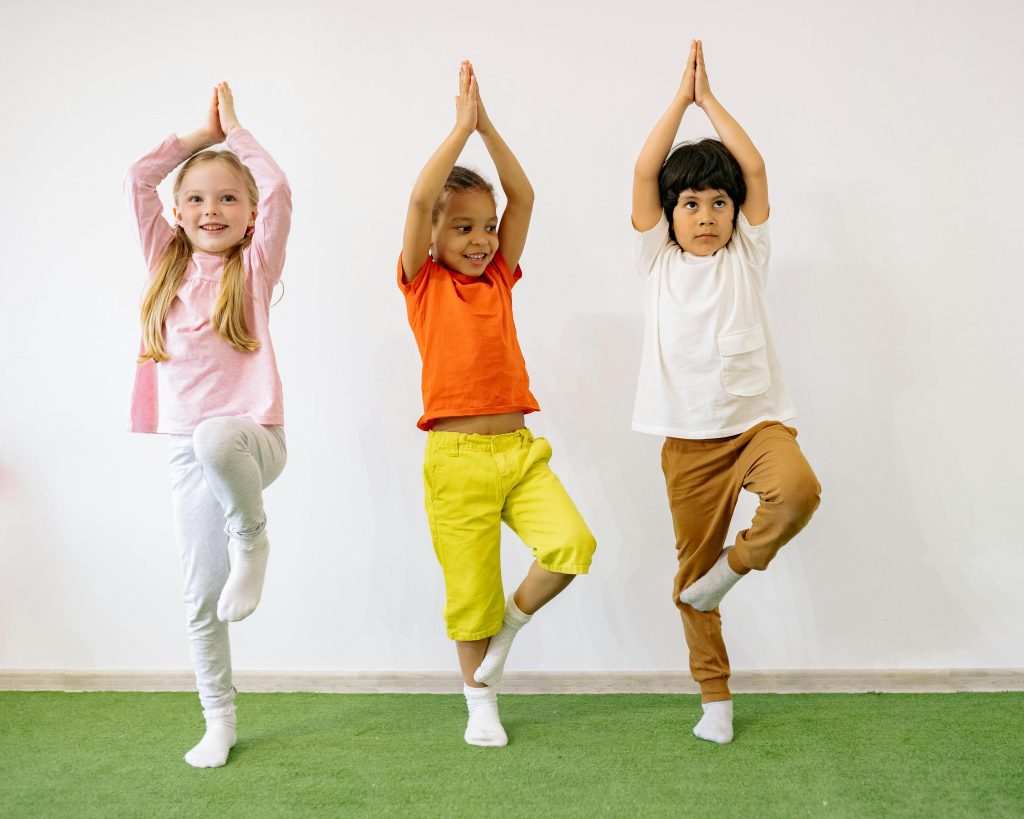
– Balance and coordination drills (e.g., one-leg stands, side-steps, hip circles) which stimulate motor control and the cerebellum and have shown promise in ADHD contexts. 5

Does this seem too much; well perhaps, but perfection is not the name of the game, consistency is. Be patient and flexible: Beneficial effects will be moderate, not dramatic; managing ADHD remains multifaceted.
To make your life a little easier too, here are a few useful online workout resources:
“Help Kids Pay Attention! Brain Booster Workout! ADHD…” – YouTube YouTube
“7 Home Exercise Workouts for Energetic Children with ADHD” – resource hub gympanzees.org
As a parent, you’re well-positioned to integrate regular, appropriately structured physical activity into your child’s overall ADHD management plan. Think of it as an important supporting pillar alongside medication and behavioural/educational supports, rather than a replacement. Make it fun, feasible and consistent, and monitor how your child responds in terms of attention, behaviour and mood.
At the same time, remain realistic: exercise alone is unlikely to “solve” ADHD — but it offers a meaningful boost, especially for cognitive control and wellbeing. And keep in mind: the research continues to evolve. As future studies clarify optimal types, doses and child-specific moderators, your child’s programme may adapt accordingly.
References and Links.
1 MDPI+4PubMed+4PubMed Central+4
3 Hedges PubMed
4 PubMed+1