admin

#ADHD in Toddlers: Early Signs, Symptoms & Treatment via @MNT_adhd

#ADHD in Toddlers: Early Signs, Symptoms & Treatment via @MNT_adhd It can be difficult to diagnose a child with ADHD before the age of 4 or 5. If parents or caregivers suspect that their child may have ADHD, they should seek advice from a doctor http://www.medicalnewstoday.com/articles/315518.php
How to live with #ADHD via @GDTKYnews

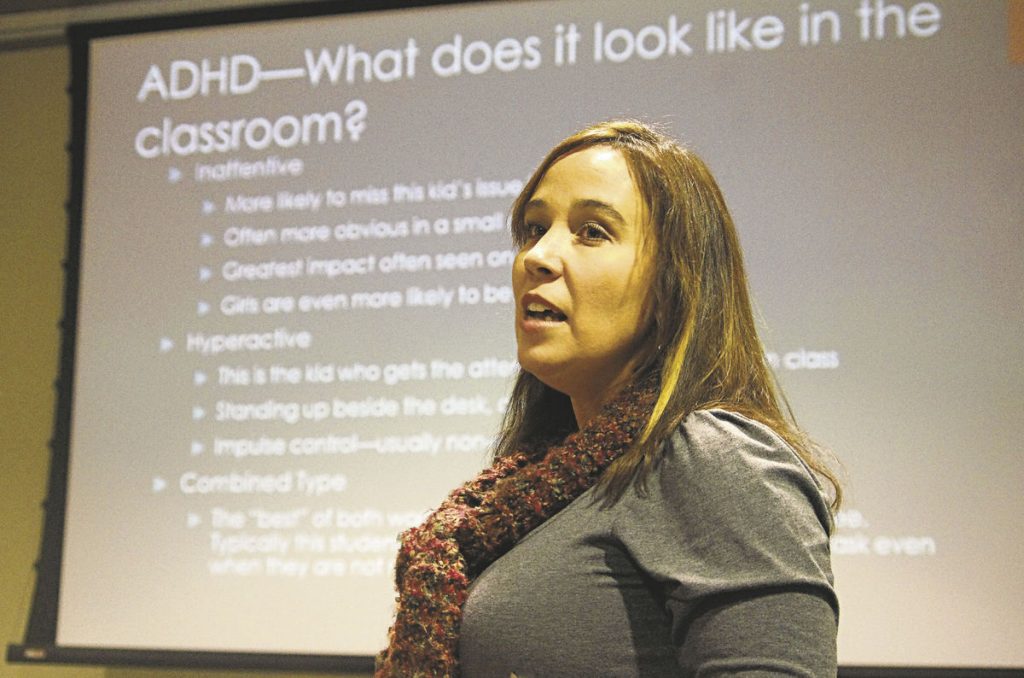
How to live with #ADHD via @GDTKYnews ADHD typically has the most impact on processing speed and working memory… sometimes a child with ADHD may have an above average intelligence, but their verbal comprehension is not where it should be according to their IQ. http://www.glasgowdailytimes.com/news/local_news/how-to-live-with-add-adhd/article_2b4b8596-dd2f-11e6-915c-f7ff61ba438d.html  

#ADHD – College or Gap Year? Deciding What to Do via @Help4ADHD

#ADHD – College or Gap Year? Deciding What to Do via @Help4ADHD College success requires maturities.  Dr. Tuckman says ADHD often includes a maturity delay that affects young adults http://www.chadd.org/Understanding-ADHD/About-ADHD/ADHD-Weekly-Archive/Newsletter-Article.aspx?id=239  

Spotting early signs of #ADHD in young children via @Biz_Healthcare

Spotting early signs of #ADHD in young children via @Biz_Healthcare Parents of newly diagnosed ADHD children need to know it’s not a reflection of bad parenting or a condition that has to fundamentally interfere with the functioning of the child http://www.bizcommunity.com/Article/196/349/156370.html  

The Link Between #ADHD and Boredom Proneness via @PsychCentral

The Link Between #ADHD and Boredom Proneness via @PsychCentral Creating the environment that fits with your brain is the essence of ADHD management. http://blogs.psychcentral.com/adhd-millennial/2017/01/the-link-between-adhd-and-boredom-proneness/  

Inattentive #ADHD: Symptoms, Diagnosis, and Treatment via @mnt

Inattentive #ADHD: Symptoms, Diagnosis, and Treatment via @mnt ADHD is one of the most common neurodevelopmental disorders affecting around 5 percent of children and 2.5 percent of adults. http://www.medicalnewstoday.com/articles/315359.php